





The crash is over in seconds. What follows can last for months: the tow yard, the rental car, the doctor visits, and a phone call from an adjuster who already has a number in mind. If a careless driver hit you anywhere in California, from a freeway to a side street in your own town, a California car accident lawyer can help you pursue compensation that reflects what the crash actually cost you.
This page is for drivers, passengers, pedestrians, cyclists, rideshare riders, and families who lost someone in a car crash. It covers the deadlines that can end a claim, how California divides fault, who can be held responsible, what to do now, and how Haffner Law builds a case. If your crash involved a motorcycle, a truck, or another kind of vehicle, our vehicle accident claims page is the better starting point.
Call (213) 514-5681 for a free case evaluation. We will review how the crash happened, who may be responsible, and what insurance applies, and we will give you an honest assessment, not a promise.
How a California Car Accident Lawyer Protects Your Claim
The other driver’s insurer evaluates your claim with its own costs in mind. Adjusters often ask for a recorded statement early, look for gaps in medical treatment, and try to resolve files before the full cost of an injury is known.
A lawyer changes how the claim is handled. Once we represent you, the insurer deals with someone who knows how claims are valued, which deadlines apply, and what evidence a jury would see. Communication goes through us, and the claim is answered on its evidence.
That matters most in serious cases: fractures, surgeries, head and spine injuries, long recoveries, and fatal crashes. Those are the cases where an early low offer does the most damage, and where careful investigation makes the biggest difference. Whether you need a car accident attorney in California, the first step is the same: a free review of what happened.
Deadlines for California Car Accident Claims
Every car accident claim runs on a legal clock. Miss the deadline that controls your claim and the strongest evidence in the world may not matter. Here are the main clocks for California crashes.
Injury and Wrongful Death Claims
A lawsuit for injuries, or for the death of a loved one, caused by someone else’s wrongful act or neglect generally must be filed within two years.[1] Insurance negotiations do not stop that clock. A claim can feel active because an adjuster keeps calling, and still expire.
Damage to Your Car and Other Property
A claim for damage to your car or other personal property generally has a three-year limit.[2] Even so, most people resolve vehicle damage alongside the injury claim, so the two-year injury clock is usually the one to watch.
Crashes Involving a City, County, or State Agency
When a public entity is involved, such as a city bus, a county vehicle, or a state agency responsible for a dangerous road, the rules change sharply. A written claim for death, personal injury, or damage to personal property generally must be presented to the agency within six months.[3]
If that window closes, you can ask permission to present a late claim, but the application must be made within a reasonable time and no later than one year after the claim arose, and approval is not automatic.[4] Once an agency rejects a claim, a separate and shorter deadline to file suit begins, so the timing of every notice matters.
Crashes Involving a Federal Vehicle
Claims against the United States follow federal rules. A written claim must be presented to the responsible federal agency within two years, and if the agency denies it, a lawsuit generally must begin within six months after the agency mails its notice of final denial.[5]
If a government vehicle or a road condition played any part in your crash, call us right away; six months goes fast.
California’s Fault Rule: Comparative Negligence
Many people assume they have no case because they made a mistake too. In California, that is usually wrong. California follows pure comparative negligence, which means your compensation is reduced by your share of responsibility, not erased.[6]
Here is how it works. If a jury finds your losses total $100,000 and decides you were 20 percent responsible, your recovery is reduced by 20 percent, to $80,000. The other side has to prove your share of fault with evidence; an adjuster’s opinion is not a finding.
Expect the insurer to look for anything that shifts blame toward you: your speed, a late brake, a lane change, or a missing seat belt. Our job is to build the evidence that shows what the other driver did and keep your share where the facts put it.
There is one important exception. Under Proposition 213, a person injured while driving or owning an uninsured vehicle, or while driving under the influence and later convicted of it, generally cannot recover non-economic damages such as pain and suffering. An uninsured owner hit by a driver who was convicted of DUI for that crash is not barred.[7]
Who Can Be Responsible Beyond the Other Driver
The driver who hit you is the obvious one to hold responsible, but often not the only one. Finding every responsible party matters because each one may carry separate insurance, and in a serious case one policy is rarely enough.
Vehicle Owners
Sometimes the person driving does not own the car. California law can make a vehicle owner responsible in some situations when another person drives with the owner’s permission, and an owner who knowingly hands the keys to an unsafe driver can face broader exposure. These rules have limits, so the facts of the loan matter.
Employers
When the at-fault driver was working at the time of the crash, the employer can be responsible for that driver’s negligence. Lawyers call this vicarious responsibility, which simply means one party answers for another’s conduct because of their relationship. Delivery drivers, sales staff, and service workers driving between jobs are common examples.
Government Entities
A missing guardrail, a broken signal, a badly designed intersection, or a public employee driving on the job can all point to a city, county, or state agency. These claims are real, but they come with strict procedures and legal defenses, starting with the six-month claim deadline above.
Rideshare Companies
Rideshare crashes turn on what the driver’s app was doing at the moment of impact. California requires $1,000,000 in primary coverage from the moment a driver accepts a ride request until the ride is completed, plus $1,000,000 in uninsured and underinsured motorist coverage while a passenger is in the vehicle.[8][9] Lower limits apply when the app is on but no ride has been accepted.
Vehicle and Parts Manufacturers
A defective airbag, a failed brake system, a tire that blew out, or a seat belt that did not hold can turn a survivable crash into a catastrophic one. A product liability claim against the manufacturer can proceed alongside the claim against the driver. It usually depends on preserving the vehicle before it is repaired or scrapped, which is one more reason to call early.
Who Can Bring a Car Accident Claim in California
You do not have to be the driver to have a claim. Anyone hurt because another person drove carelessly can pursue compensation, including:
- Drivers of the car that was hit, even when the other side claims shared fault.
- Passengers, who are rarely at fault and can often claim against more than one driver’s insurance.
- Pedestrians and cyclists, who absorb the full force of a crash with almost no protection.
- Rideshare riders, whose claims may reach the rideshare coverage described above.
- Families, when a crash takes a loved one’s life.
When a crash is fatal, California limits who may bring a wrongful death claim. Generally, the surviving spouse or domestic partner, the children, and the descendants of any child who has died may file. If your loved one left no children, grandchildren, or other descendants, the people who would inherit under California law may file.[10] Certain family members who depended on your loved one may also qualify.
We know no claim makes up for that loss. If this is why you are here, our page on fatal car accidents explains what families can pursue, and we approach these cases with the care they deserve.
What to Do After a Car Accident in California
The steps you take in the first hours and days shape the evidence available later. You do not need to do everything perfectly. Do what you safely can, and let us handle the rest.
At the Scene
- Call 911 if anyone may be hurt, the road is blocked, or a driver seems impaired.
- Photograph the vehicles, the road, traffic signals, skid marks, debris, and any visible injuries.
- Exchange driver, insurance, and vehicle information, and get names and numbers of witnesses.
- Look for cameras on nearby businesses, homes, and intersections; footage can be overwritten within days.
- Do not argue about fault or guess about what happened. Stick to facts.
In the Days That Follow
Get medical care promptly, even if you feel fine. Adrenaline masks pain, and some head, neck, and back injuries surface days later. A gap between the crash and your first visit is exactly what an adjuster will use to argue your injuries came from somewhere else.
Keep every bill, receipt, and work note, and remember the DMV reporting duty explained in the insurance section below. Write down how the injuries affect your sleep, your job, and your daily life while it is fresh.
What Not to Do
- Do not give a recorded statement to the other driver’s insurer before you talk to a lawyer.
- Do not sign a release or accept a check that closes your claim while you are still treating.
- Do not post about the crash or your injuries on social media; insurers look.
- Do not let the car be scrapped if a defect may have played a role.
Insurance, Settlement Offers, and Your Own Coverage
Most car accident claims are paid by insurance. Knowing which policies apply, what they cover, and what to report helps you see everything that may be available.
The At-Fault Driver’s Insurance
Liability insurance pays for harm a driver causes to other people. California raised its minimum liability limits on January 1, 2025, to $30,000 for injury or death of one person, $60,000 for injury or death of two or more people, and $15,000 for property damage.[11] Those are floors, not ceilings, and for a serious injury they run out fast. That is why we look for every other policy that could apply.
Reporting the Crash to the DMV
One reporting duty is yours regardless of fault. If anyone was injured, even slightly, or killed, or if property damage is over $1,000, you or your insurance agent, broker, or legal representative must send an SR-1 report to the DMV within 10 days. A police report or an insurance claim does not replace it.[12]
Quick Settlement Offers
An early offer usually arrives before anyone knows the full cost of your injuries. Accepting it can feel like relief when rent, repair bills, and missed work are piling up. Once you sign a release and accept payment, you generally cannot reopen the claim if your injuries turn out to be worse than you thought.
A settlement that is worth signing accounts for future treatment, lost earning ability, and how the injuries will affect the rest of your life, not just the bills already in the mail. Settling before your medical picture is clear is one of the most expensive mistakes people make.
Uninsured and Underinsured Motorist Coverage
When the driver who hit you has no insurance, or not enough, your own policy may step in. Uninsured motorist coverage pays for your injuries when an at-fault driver has no liability insurance, and underinsured motorist coverage helps when the at-fault driver’s limits are too low to cover your losses.[13]
Insurers must offer this coverage when they sell a policy. If you turned it down, you would have signed a form saying you were offered the coverage and declined it. Many people do not remember signing that form, so we check the declarations page (the summary page of your policy) and the paperwork before anyone assumes the coverage is missing.
Your own insurer is not automatically on your side in this claim. On an uninsured or underinsured claim, your carrier stands in for the other driver and can dispute fault, injuries, and value.
If the other driver had no coverage at all, our page on uninsured driver accidents walks through the next steps.
Already talking to an adjuster? Before you give a statement or sign anything, call (213) 514-5681. We will review your claim for free and tell you what we see, with no pressure and no guarantees.
What a California Car Accident Claim Can Recover
A car accident claim is meant to account for the full cost of the crash, not just the bills you have today. Depending on the facts, that can include:
- Medical costs, from the ambulance and emergency room through surgery, therapy, and future care.
- Lost income and earning ability, including time already missed and work you may not be able to do in the future.
- Property losses, including repair or replacement of your vehicle.
- Non-economic losses, meaning harms without a receipt: pain, suffering, inconvenience, physical impairment, and disfigurement.
Non-economic losses are often the largest part of a serious case, and they are the part insurers fight hardest to shrink. Remember the Proposition 213 exception above for uninsured owners and convicted DUI drivers.
The most serious injuries need their own proof. Head trauma and spinal damage can change a family’s finances for decades, so we build those cases around detailed medical evidence. Our page on car accident injuries covers how common crash injuries are documented.
No honest lawyer can tell you what your case is worth before reviewing the evidence. What we can do is identify the factors that will drive the value: how serious and lasting the injuries are, what future care will cost, how clear liability is, and how much insurance is available.
The Legal Process and Typical Timeframes
No two cases move at the same speed, but most California car accident claims follow the same path. Knowing it helps you understand why some steps take time.
- Free case evaluation. We listen, review what you have, and tell you honestly whether and how we can help.
- Investigation. We gather the police report, photos, video, vehicle data, witness accounts, and insurance information while it still exists.
- Treatment and documentation. You focus on recovering while we track your medical care, costs, and lost income.
- Demand and negotiation. When the medical picture is clear enough to value the claim, we present it to the insurers and negotiate.
- Lawsuit, if needed. If the insurer will not pay fair value, we file suit before the deadline and move into formal discovery, which is the exchange of evidence and testimony.
- Mediation or trial. Many cases resolve in mediation, a structured settlement meeting with a neutral third party. Cases that do not settle go before a judge or jury.
Some claims resolve within months. Others take longer because treatment is ongoing, fault is disputed, several parties are involved, or a lawsuit becomes necessary. Our guide to the California car accident claim process walks through each stage in more detail.
How Haffner Law Builds Your Car Accident Case
We build each case the way it would need to be proven in court, starting with the questions that decide its value.
What We Evaluate First
- Deadlines, especially if a government agency or federal vehicle may be involved.
- Every potentially responsible party, not just the driver named on the police report.
- Every available policy, including the at-fault driver’s, any employer’s or rideshare company’s, and your own uninsured and underinsured motorist coverage.
- Evidence that can disappear, such as camera footage, vehicle data, and the vehicles themselves.
How We Prove Fault and Losses
Depending on the case, we use vehicle event data (the crash information many cars record), dashcam and traffic-camera footage, and accident reconstruction analysis to establish what happened. We work with treating physicians to document future medical needs, and with economists when lost earning capacity is significant, so a settlement reflects the full arc of what the crash cost you.
If an insurer, including your own, denies or delays a valid claim without a legitimate reason, that conduct can become a separate fight. Insurance claims are a core part of what Haffner Law does, and that experience shapes how we press car accident claims from the start.
The Attorneys Behind Your Case
You deserve to know who will handle your case and what each attorney brings to it.
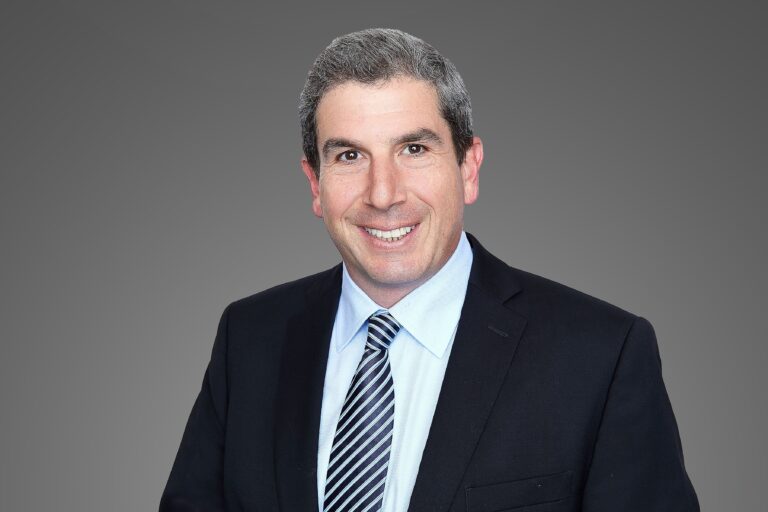
Joshua Haffner
Joshua Haffner founded the firm and has handled civil litigation for plaintiffs for more than 20 years. He has been involved in multiple personal injury, wrongful death, bad faith, and punitive damage trials, and he was nominated for 2012 Consumer Attorneys of California Trial Lawyer of the Year for an insurance bad faith verdict. He also speaks Spanish fluently.
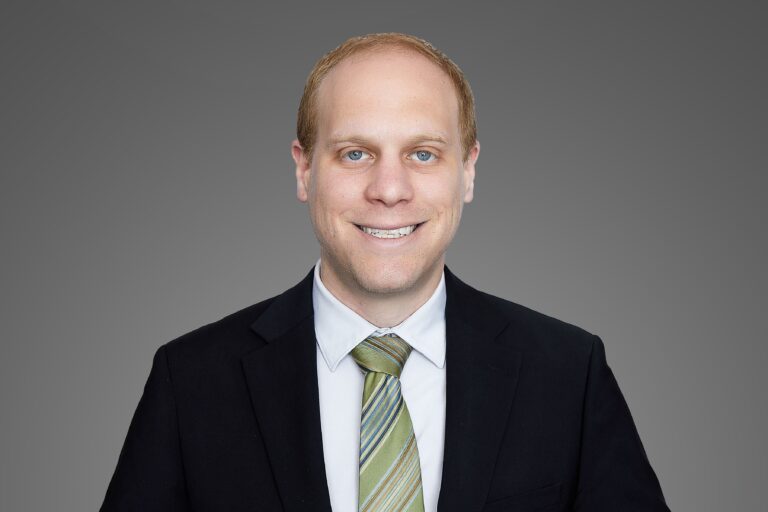
Trevor Weinberg
Trevor Weinberg focuses his practice on complex cases that include car accidents. He saw firsthand how devastating a serious injury can be when his father was left disabled after a car crash, and he watched the insurance company fight to avoid paying for necessary medical care. He is an active member of the Consumer Attorneys Association of Los Angeles and the Consumer Attorneys of California.

John Sipp
John Sipp focuses on serious harm, including traumatic brain injuries, spinal cord injuries, wrongful death, and product liability, the kinds of losses a severe car crash can cause. Before law school, he spent three years as a litigation paralegal at Wachtell, Lipton, Rosen & Katz, gaining experience in high-stakes corporate litigation. His approach centers on resolving each case as swiftly and effectively as possible.

Alfredo Torrijos
Alfredo Torrijos began his career in the corporate world, including as a management consultant at The Boston Consulting Group. There he saw how large corporations evaluate risk, manage costs, and make decisions, and today he uses that knowledge to litigate against them, with a focus that includes catastrophic injury. He was named a 2021 Consumer Attorneys of California Trial Lawyer of the Year. He is fully fluent in Spanish and speaks directly with Spanish-speaking clients, so they understand every step of the legal process.

Samantha A. Salas
Samantha A. Salas represents clients in complex cases with a focus that includes wrongful death and product liability, two kinds of claims a serious car crash can lead to. At Southwestern Law School, she dedicated herself to legal clinics, working directly with communities facing significant barriers. She brings that same client-focused passion to injured people and their families.
Common Car Crash Types We Handle
Every crash type raises its own questions about fault, evidence, and coverage. Several have their own page that covers the topic in depth.
Rear-End Collisions
Rear-end collisions often cause neck and back injuries that worsen over days, which is exactly why insurers dispute them so often.
Head-On Collisions
Head-on collisions are among the most violent crashes, often involving a driver who crossed the center line because of distraction, impairment, or fatigue.
T-Bone and Intersection Crashes
T-bone and intersection crashes usually turn on who had the right of way, a question that signal timing, camera footage, and witnesses can answer.
Rollover and Single-Vehicle Crashes
Rollover accidents and other single-vehicle crashes can still involve a responsible party, such as a manufacturer, a tire maker, or the agency in charge of the road.
Hit-and-Run Crashes
When the other driver flees, your own uninsured motorist coverage may be the path to recovery, but it comes with strict conditions and short deadlines. Report the crash to police right away and notify your insurer promptly. Our hit-and-run accident page explains how these claims are built.
Drunk Driving Crashes
Drunk driving accidents involve both a criminal case and your separate civil claim. The criminal case belongs to the prosecutor; the civil claim is how you get compensated.
Distracted Driving Crashes
A driver looking at a phone is not watching the road, even for a few seconds. Phone records and app data can prove it, and our distracted driving page explains how.
Freeway and Multi-Vehicle Crashes
A chain-reaction crash on the 405, the 101, or the 10 can involve half a dozen drivers and insurers, each pointing at someone else. Sorting out who hit whom, and in what order, takes careful reconstruction. Speed plays a part in many of these crashes, and our page on speeding accidents explains how it is proven. Crashes on dangerous highways can also raise questions about road design and maintenance.
Government Vehicle Crashes
Crashes with a city bus, a police car, or another public vehicle trigger the six-month claim rule described above. Do not wait to call.
Rideshare Crashes (Uber and Lyft)
In Uber accidents and Lyft crashes alike, the driver’s app status decides which coverage applies, whether you were a passenger, another driver, or a pedestrian.
Parking Lot and Road-Hazard Crashes
A crash in a parking lot can still cause serious injuries and still involve the same insurance questions as a crash on the street. Road hazards such as potholes, debris, and missing signs can point to the property owner or the public agency responsible for the road.
Common Insurance Defenses and How We Answer Them
The same arguments come up in many car accident claims. Here is what each one means and how it is answered.
- “You were partly at fault.” Under California’s comparative fault rule, partial fault reduces a recovery; it does not erase it. We make the other side prove its percentage with evidence.
- “Your injuries came from something else.” Prompt treatment and clear medical records separate a new injury, or a worsened condition, from anything that came before.
- “There was a gap in your treatment.” Life gets in the way of appointments. We document why, and we help you keep treatment on track going forward.
- “The damage was minor, so you could not be badly hurt.” Vehicle damage and human injury do not track each other neatly. Medical evidence, not a repair estimate, measures an injury.
- “You already said you were fine.” People say that at crash scenes all the time. Adrenaline is not a diagnosis.
- “Our offer is final.” A properly documented claim, backed by readiness to file suit before the deadline, puts the offer to a real test.
California Car Accident FAQs
These answers are general information about California law, not legal advice for your situation.
Who is responsible in a freeway or multi-vehicle crash?
Often more than one driver. In a chain-reaction crash, fault can be divided among several drivers, and California’s comparative fault rule reduces, but does not erase, the recovery of anyone found partly responsible. Camera footage, vehicle damage patterns, and witness accounts help show the order of impacts and who caused each one.
How much does it cost to hire a car accident lawyer?
Nothing upfront. Haffner Law offers a free case evaluation. We advance all case costs, and you owe no attorney fees or reimbursed costs unless we recover money for you.
How long do I have to file a car accident claim in California?
Generally two years for injury and wrongful death lawsuits and three years for vehicle and property damage. A claim against a California public entity generally must be presented in writing within six months, and claims against the federal government have their own two-year administrative claim rule.
Can I still recover if I was partly at fault?
In most cases, yes. California reduces your recovery by your share of fault instead of barring it, so a driver found 20 percent at fault can still recover 80 percent of proven losses. The main exception: if you owned or drove an uninsured vehicle in the crash, or were convicted of driving under the influence for it, the law generally bars pain and suffering damages.
What if the driver who hit me had no insurance, or not enough?
Your own uninsured or underinsured motorist coverage may pay. Insurers must offer this coverage, and you only go without it if you signed a form declining it, so check your policy before assuming you have no options.
What if I was hit by an Uber or Lyft driver?
Rideshare claims depend on the driver’s app status. Once a driver accepts a ride request, California requires $1,000,000 in primary coverage until the ride is completed, and lower limits apply when the app is on with no ride accepted.
What should I do after a hit-and-run in California?
Report the crash to police right away, photograph everything, and notify your insurer promptly, because uninsured motorist claims for hit-and-run crashes carry strict conditions and short deadlines.
What if a city bus or government vehicle hit me?
Act fast. A claim against a California public entity for injury, death, or damage to personal property generally must be presented in writing within six months, far shorter than the usual two years. Federal vehicles follow a separate two-year administrative claim rule.
Do I have to report a car accident to the DMV?
Yes, if anyone was injured or killed or property damage is over $1,000. An SR-1 report must reach the DMV within 10 days, and a police report or insurance claim does not replace it.
How long does a car accident case take?
Some claims resolve within months; others take a year or more. The timeline depends on how long medical treatment lasts, whether fault is disputed, how many parties and insurers are involved, and whether a lawsuit is needed.
Request a Free Case Review
Skid marks fade. Cameras record over footage. Witnesses move on. The longer you wait, the harder it gets to prove what happened and what it cost you.
Call Haffner Law at (213) 514-5681 for a free case evaluation, fill out the form on this page, or visit our office. We will review what happened and give you an honest assessment, not a promise. We advance all case costs, and you owe no attorney fees or reimbursed costs unless we recover money for you.
- Cal. Code Civ. Proc. § 335.1: Two-year limit for injury and wrongful death actions.
- Cal. Code Civ. Proc. § 338(c)(1): Three-year limit for actions for injuring goods or chattels, including vehicles.
- Cal. Gov. Code § 911.2: Six-month claim presentation deadline for death, personal injury, and personal property claims against public entities.
- Cal. Gov. Code § 911.4: Late-claim application within a reasonable time, not to exceed one year after the claim accrued.
- 28 U.S.C. § 2401(b): Two-year administrative claim and six-month suit deadlines for tort claims against the United States.
- Judicial Council of California Civil Jury Instructions (CACI), 2026 edition: No. 405, Comparative Fault of Plaintiff (applying Li v. Yellow Cab Co. (1975) 13 Cal.3d 804), and Nos. 3700 to 3701, vicarious responsibility.
- Cal. Civ. Code § 3333.4 (Proposition 213): Limits on non-economic damages for uninsured owners and drivers convicted of DUI, with the subdivision (c) exception.
- Cal. Pub. Util. Code § 5433: Transportation network company insurance requirements by app period.
- California Public Utilities Commission, Insurance Requirements for TNCs: Period 1, 2, and 3 coverage amounts, including $1,000,000 uninsured and underinsured motorist coverage while a passenger is in the vehicle.
- Cal. Code Civ. Proc. § 377.60: Who may bring a wrongful death claim.
- California Insurance Commissioner, Bulletin 2023-1 (SB 1107): Minimum liability limits of $30,000 / $60,000 / $15,000 under Vehicle Code § 16056, effective January 1, 2025.
- California DMV, Report of Traffic Accident Occurring in California (SR-1): Ten-day SR-1 reporting requirement for injury, death, or property damage over $1,000.
- California Department of Insurance, Automobile Insurance Guide: Uninsured and underinsured motorist coverage, the insurer's duty to offer it, and the written rejection form.